
Contents

Author
Eric Vittardi
May 11, 2026
Read Time: Less than 6 Mins
Last Modified: May 13, 2026
It’s that time of year again — projects are stacking up, crews are on the move and deadlines are tighter than ever. For safety managers, busy season doesn’t just mean more paperwork — it’s more eyes on construction jobsite safety, more hazards to monitor and more moving parts to keep track of.
The key to success this busy season?
A little planning now can save a lot of scrambling later.
Construction jobsite safety during busy season comes down to a few consistent habits: equipment checked before the rush, documentation within reach, crews that aren’t running on empty and a plan for whatever the weather throws at you.
Here’s a checklist of things to keep top of mind as your workload ramps up.
Key Takeaways
- Centralized safety documentation keeps crews moving and prevents delays when documentation is needed most.
- Short safety refreshers — Toolbox Talks and PPE reminders — reduce incident risk without adding burden to busy crews.
- Equipment inspections before busy season prevent incidents and downtime when project schedules have no room for either.
- Fatigue and miscommunication are two of the most common contributors to construction jobsite safety incidents during high-volume periods.
1. Check Equipment and Sites Before the Rush Hits
Equipment problems and unsafe site conditions don’t wait for a convenient time to surface — and during busy season, the consequences hit harder.
Taking a few minutes now to look at things can save you a lot of stress later. Remember to check:
- Tools
- Machinery
- Protective gear
Skipping these checks doesn’t eliminate the risk — it just moves it to a point in the season when your schedule has no room to absorb it.
A little preventative maintenance now can prevent incidents and costly downtime when things get hectic.
2. Keep Your Safety Documents Easily Accessible
Scattered safety documentation slows down the people who need it most and creates risk at exactly the wrong moment.
Working in construction jobsite safety, you’ve probably run into this: a foreman calls asking for a safety checklist, incident report or training record, and your files are…somewhere.
Now you have to waste valuable time retracing your steps to find the information you need.
Keeping your safety documentation readily available — ideally centralized in a secure, digital location — makes those moments a lot easier to handle.
Whether you’re onsite, in the office or traveling between the two, your records are right there when you need them. No digging, no guessing and no last-minute scrambling.

3. Reinforce Safety Without Overloading the Team
Schedule pressure during busy season is when construction jobsite safety habits are most likely to slip — and when the cost of slipping is highest.
A shortcut here and there may not seem like a big deal in the moment, especially if it gets the task done faster, but it can easily add up to an avoidable accident later on.
Small refreshers — like quick Toolbox Talks or a reminder of PPE requirements — can keep crews engaged and informed to prevent incidents.
The goal here isn’t to add more work. It’s to make sure your crew remembers the essentials. Even five minutes of reinforcement can save hours of trouble later.
4. Watch for Crew Fatigue and Overload
Fatigue is one of the leading contributors to construction jobsite accidents, and busy season’s long hours and physical demands make it a direct risk on every active site.
According to Construction Dive’s analysis of a report by the National Safety Council, 45% of workers reported that fatigue was responsible for safety-related incidents.
Encourage regular breaks, monitor overtime and rotate crews when possible. A rested and alert team reduces the likelihood of incidents and keeps projects moving smoothly.
5. Keep Everyone on the Same Page
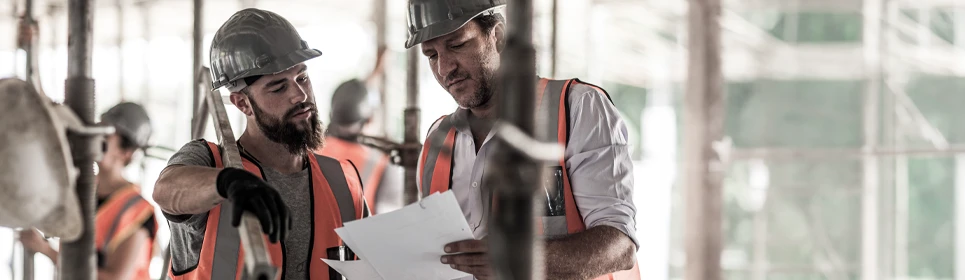
When schedules tighten and crews are spread across multiple sites, miscommunication can quickly become a safety issue. Make sure your team knows:
- Their key responsibilities
- Who to go to when questions arise
- When tasks are due
- Where key safety documents are located
When that information is inconsistent or hard to find, small miscommunications compound quickly — and on a busy site with crews across multiple locations, that’s when incidents happen.
Digital tools — like construction safety software — make sure everyone has access to the same safety protocols and that they see updates in real-time.
6. Plan for Seasonal Conditions Before They Create Problems
Seasonal weather conditions create predictable construction jobsite safety risks — and the crews that plan for them before the season starts are the ones that avoid mid-project scrambles. In many cases, that means summer heat.
When temperatures climb, heat-related illness becomes a major concern. Here are a few steps you can take:
- Make sure crews always have access to water and encourage frequent hydration
- Build shaded or cooled break areas onsite (i.e. tents, canopies, etc.)
- Adjust work schedules when possible to avoid peak heat hours
- Remind teams to watch for signs of heat exhaustion (dizziness, fatigue or confusion)
Don’t stop at summer planning. Depending on your region and project timelines, it’s important to plan for year-round conditions. Consider how you will mitigate:
- Cold stress and ensure proper layering during winter months
- Slip hazards caused by wet or muddy conditions in the spring
- Reduced visibility due to shorter daylight hours in the fall
Developing quick seasonal plans helps you stay ahead of these variables instead of reacting to them mid-project.
When crews are prepared for the environment they’re working in, they can stay safer, more comfortable and more focused on the job at hand.

Planning Ahead Makes Busy Season Smoother
Busy season brings higher workloads, tighter schedules and increased safety risks. The teams that navigate it most effectively are the ones that plan ahead, reinforce best safety practices and stay organized under pressure.
According to OSHA, for every $1 invested in safety programs, contractors can expect to save between $4 and $6 as injuries and incidents decline. The habits that feel like extra work during busy season are the ones that protect your margins when something goes wrong.
For safety managers, construction safety software like SafetyHQ® can make it easier to:
- Track safety and identify hazards in real-time with jobsite hazard assessments (JHAs)
- Ensure your crew has the proper training before the job begins
- Manage compliance to avoid OSHA fines and project delays
- Build a stronger safety culture where your crews are bought in
- Keep teams coordinated on best safety practices across multiple projects
By centralizing JHAs, incident reporting and safety documentation, SafetyHQ helps maintain consistent practices and ensures safety stays a priority — even during the busiest times of the year.
For more information about SafetyHQ, speak with an expert today!
Share Article
Make Your Inbox Smarter
Keep on current news in the construction industry. Subscribe to free eNews!
Related Articles

How Construction RFI Management Affects Your Projects
An RFI might feel routine. Someone needs clarification, so you send off an RFI and move on. But on a
Learn More
Why SafetyHQ®: How Safety Management Software Improves Construction Jobsite Safety
Construction jobsite safety directly affects how contractors manage risk, control costs and keep projects moving and when safety processes break
Learn More