
Contents

Read Time: Less than 6 Mins
Last Modified: February 12, 2026
On today’s jobsites, construction worker safety is no longer limited to hard hats and harnesses.
Across the industry, leaders are redefining what it means to keep workers safe — shifting from preventing injuries to protecting Total Worker Health® (TWH).
This holistic approach isn’t just a cost; it’s a massive return. By proactively addressing worker well-being, contractors minimize costly risks like absenteeism, turnover and medical expenses.
According to a national study of construction companies by the federal agencies Occupational Safety and Health Administration (OSHA) and the Centers for Disease Control and Prevention (CDC), for every $1 invested in workplace safety and health programs, companies can save an estimated $4 to $6 in reduced injury-related costs.
That includes not just physical safety, but also mental wellness, long-term health and sustainable jobsite practices that benefit both people and the planet.
It’s a major transformation, and construction companies are taking notice.
The rise of the construction wellness program marks a new chapter for safety — one that connects wellness, technology and Environmental, Social and Governance (ESG) principles in ways that strengthen the entire industry.
Key Takeaways for Construction Health and Safety Professionals:
- Construction worker health programs expand safety beyond the Fatal Four by addressing physical, emotional and environmental well-being, improving productivity, engagement and jobsite safety.
- ESG frameworks evaluate construction worker health programs by how well companies formalize wellness, mental health and sustainability initiatives.
- Proactive mental health programs reduce burnout and emotional distress, directly improving focus, decision-making and jobsite safety performance.
- Mobile-friendly safety inspection software centralizes safety, wellness and ESG data, enabling contractors to identify trends, close gaps and measure the ROI of health programs.

The Shift From Safety to Total Health
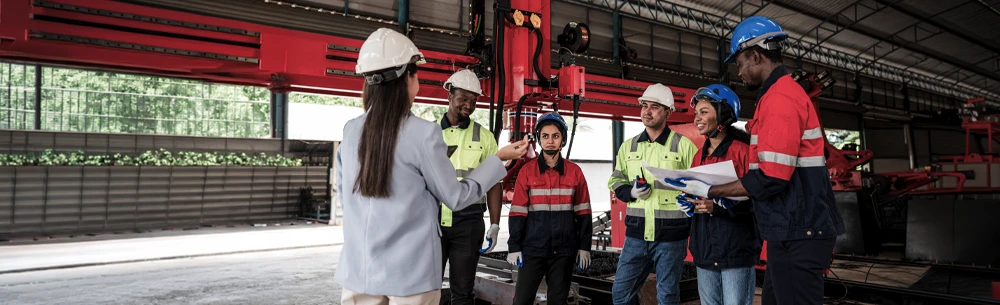
Construction worker health programs expand safety management by integrating physical protection, mental wellness and environmental conditions into daily jobsite operations.
For decades, construction safety meant avoiding the Fatal Four:
- Falls
- Struck-by
- Caught-in/between
- Electrocution
These remain critical — but as workforce expectations and compliance standards evolve, so does the definition of worker protection.
Today, worker health in construction is about more than incident prevention and ensuring PPE fits.
It’s about supporting the physical, emotional and environmental well-being of every crew member, from the field to the office.
This comprehensive approach is often called Total Worker Health (TWH), a strategy developed by the National Institute for Occupational Safety and Health (NIOSH) that connects safety and health protection efforts to prevent injury and illness and advance well-being.
Contractors are realizing that healthy teams aren’t just safer, they’re more productive, engaged and loyal.
The ESG Connection: Building a Safer, More Sustainable Industry
ESG frameworks position construction worker health programs as a measurable indicator of social responsibility and long-term operational sustainability.
Under ESG frameworks, worker well-being is a core measure of how responsibly a company operates —right alongside its environmental and governance practices.
This shift is motivating contractors to formalize health efforts through documented safety programs and transparent reporting.
Here are the key ESG-aligned health changes shaping this movement:
Wellness Initiatives
Construction wellness programs help crews stay strong, focused and energized throughout the day.
- Hydration programs are a simple but powerful example — ensuring access to cool, clean water and tracking intake to prevent heat stress and fatigue.
- Stretch-and-flex routines before shifts are becoming daily rituals, loosening muscles and reducing strain.
- Fatigue management programs recognize that rest is as important as productivity, adjusting schedules and monitoring hours to protect both safety and performance.
These practical, everyday wellness efforts are reshaping jobsite culture.
Mental Health Support
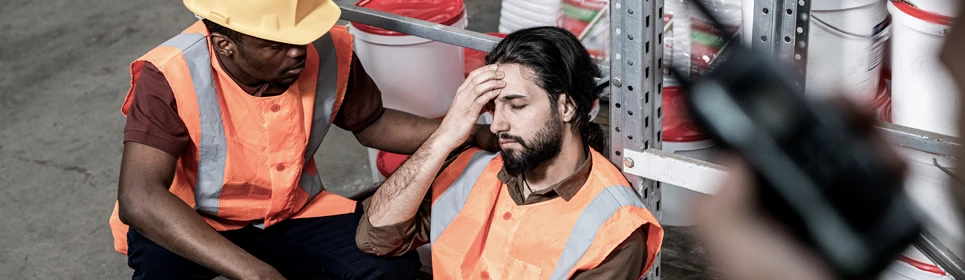
Forward-thinking companies are recognizing that mental health in construction is a safety issue. Stress, burnout and fatigue can affect focus, decision-making and overall job performance.
New programs that are being introduced include:
- Stress awareness training and peer assistance groups
- Confidential reporting tools
- Partnerships with mental health professionals for confidential hotlines
- Training for foremen and supervisors to recognize early signs of distress
The goal is simple but vital: to make sure every worker knows it’s okay to ask for help, and that help will be there when they do.
Sustainability Goals
Companies are realizing that protecting people and protecting the planet are connected priorities.
Reducing emissions, improving air quality and investing in greener materials don’t just support environmental goals — they also improve worker health and comfort.
For example, cleaner energy heavy equipment reduces jobsite pollution and noise exposure, while better ventilation systems in enclosed workspaces minimize respiratory risks.
By linking sustainability and safety, construction firms are building environments that care for both their teams and their communities.
How Technology Is Powering the Next Generation of Safety
Construction safety technology centralizes health, wellness and ESG data to improve visibility, accountability and jobsite communication.
Traditional reporting systems can’t capture the full picture of worker health, especially when wellness checks, training and inspections happen across multiple jobsites.
That’s where digital construction safety management platforms are changing the game.
Mobile-friendly construction health and safety tools now make it possible to:
- Record both safety and wellness data in one place
- Automate reminders for mental health check-ins or wellness training
- Centralize information on jobsite hazards, worker feedback and preventive actions
- Generate reports that connect safety metrics to overall company well-being goals
When contractors can see every aspect of health and safety in a single view, it’s easier to identify trends, close gaps and respond before risks escalate.
Moving Forward: A Culture of Care
The future of construction safety isn’t just about compliance or checking boxes — it’s about creating a culture of care.
By blending wellness, mental health and sustainability into everyday operations, contractors can build safer jobsites that are more inclusive and more resilient.
And as the industry continues to evolve, technology will be the bridge that brings it all together.
That’s why tools like the SafetyHQ construction health and safety app are helping contractors lead the way.
With hundreds of pre-built safety meeting guides, a safety datasheet library of over 2.5 million documents and customized electronic inspection forms, SafetyHQ can help your team embrace a smarter, safer way to work.
Contact us today to learn more!
Share Article
Make Your Inbox Smarter
Keep on current news in the construction industry. Subscribe to free eNews!
Related Articles
Updated Construction Safety Checklists for Managing Spring Hazards
A construction safety checklist helps contractors identify hazards, prevent injuries and maintain compliance during seasonal changes. Spring construction conditions introduce
Learn More
HQSuite and FOUNDATION®: Building the Bridge Between Field and Office: Building the Bridge Between Field and Office
Your FOUNDATION system gives you complete accounting visibility. But that accounting data only shows part of the picture. What if
Learn More