
Contents

Read Time: Less than 8 Mins
Last Modified: April 7, 2026
A construction safety checklist helps contractors identify hazards, prevent injuries and maintain compliance during seasonal changes.
Spring construction conditions introduce risks such as unstable ground, increased rainfall and rapidly changing weather patterns.
Contractors often struggle with challenges such as:
- Increased rain
- Unstable ground
- Unpredictable weather patterns
These hazards lead to project delays, equipment damage and worker injuries when not properly addressed. Spring hazards can even lead to loss of life.
Construction professionals face pressure to maintain productivity while adapting to changing environments. Without updated safety protocols, sites become vulnerable to spring-specific risks that traditional winter precautions don’t cover.
A comprehensive approach to spring safety ensures both worker protection and project success during this transitional season.
Key Takeaways
- A construction safety checklist helps crews identify spring hazards before they lead to injuries or delays.
- Ground inspections reduce risks by catching unstable soil, standing water and equipment hazards early.
- Weather monitoring improves safety by helping teams respond quickly to storms, wind and lightning.
- Updated PPE protects workers by matching gear to changing temperatures, rain and jobsite conditions.
- Jobsite preparation prevents accidents by addressing drainage, debris and seasonal safety gaps ahead of time.

Identify Spring-Specific Hazards
A construction safety checklist should account for spring-specific hazards before they disrupt jobsite safety or productivity.
Spring brings new safety challenges for construction sites. As snow melts and rain increases, contractors need to watch out for slip hazards.
Construction professionals must identify these risks early to protect workers and keep projects on schedule.
Jobsite managers should create a complete list of potential problems before they cause injuries or delays. A thorough hazard assessment at the start of spring can prevent many common accidents.
Assess Ground Conditions and Flooding Risks
Ground condition checks help prevent serious hazards caused by melting snow, standing water and unstable soil on construction sites. Contractors should check the entire site for areas where water collects and creates mud hazards.
Soft soil can cause heavy equipment to sink or become stuck. This leads to dangerous situations. Construction professionals should mark these areas clearly and create safe paths for workers and machines.
Flooding risks increase near rivers or in low-lying areas, requiring extra monitoring when rain is forecast.
Site managers should consider these potential problems:
- Unstable trenches that collapse from water saturation
- Electrical hazards from standing water near power sources
- Slip and fall dangers on muddy surfaces
- Equipment stability issues on soft ground
Regular ground condition inspections help construction teams stay ahead of problems before they cause accidents.
Evaluate Weather Pattern Vulnerabilities
Weather monitoring plays a critical role in keeping crews safe as conditions shift throughout the day.
Contractors must watch for sudden storms, high winds and lightning risks. These conditions create danger for workers on scaffolding, roofs or operating tall equipment.
Many springtime injuries happen when contractors try to finish tasks despite worsening conditions. Project managers should establish clear weather monitoring protocols and set triggers for stopping work.
Construction crews need reliable ways to receive weather alerts during the workday. Emergency plans should include designated shelter areas and procedures for securing loose materials that might blow away.
Inspect Winter Damage to Equipment and Structures
Winter weather often damages construction equipment and incomplete structures. Freeze-thaw cycles create cracks in concrete, weaken temporary structures and damage equipment parts.
Contractors must thoroughly inspect everything before spring work begins. They should check for rust damage, cracked hoses and weakened scaffolding.
Safety inspectors often find that equipment sitting idle through winter develops hidden problems. Equipment operators should test all machines in controlled conditions before using them for regular work.
Finding these issues during inspection prevents dangerous failures when workers depend on reliable equipment.
Update Personal Protective Equipment
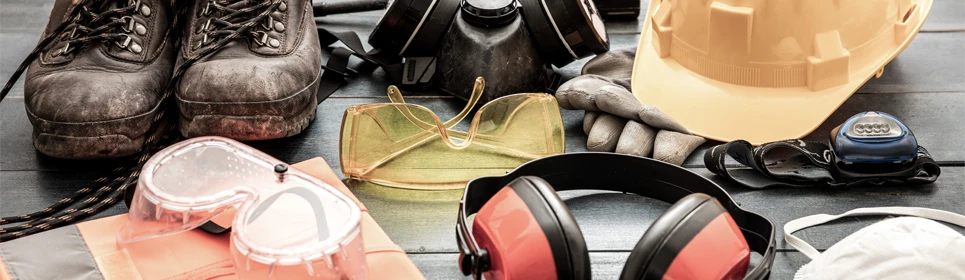
Updating PPE is an essential part of preparing crews for changing seasonal risks.
Spring conditions require different PPE strategies than winter months. Construction professionals need to review and update all safety gear as temperatures rise and rain becomes more common.
Many contractors continue using winter PPE into spring, which can cause overheating and reduced comfort. Workers need properly fitted safety equipment that matches current weather conditions to maintain productivity and prevent accidents.
The right PPE adjustments help construction teams adapt to changing spring environments while maintaining full protection. Site supervisors should conduct complete PPE inventories at the start of the season to identify what needs replacement.
Transition From Winter to Spring PPE Requirements
The shift from winter gear to spring protection requires careful planning. Construction professionals should replace heavy insulated gloves with more flexible options that still provide the necessary protection.
Contractors should select breathable materials for all required gear while maintaining protection standards. Some important PPE transitions include:
- Switching from insulated boots to waterproof footwear with good traction
- Replacing winter hard hat liners with sweat-wicking options
- Using lighter safety glasses with anti-fog properties for humid conditions
- Implementing cooling vests for workers in direct sun
As the weather warms up, high-visibility clothing remains essential. Lightweight versions of winter PPE help prevent heat stress as temperatures climb.
Address Rainy Weather Considerations
Spring rain creates specific PPE challenges that construction teams must address.
Contractors should provide appropriate rain gear that allows full movement without restricting visibility. Safety managers should check that rain gear doesn’t interfere with harness systems or other critical safety equipment.
Water-resistant materials need to balance protection with breathability to prevent workers from sweating excessively underneath. Contractors must ensure that all rain PPE includes proper high-visibility features to maintain safety in low-light conditions.
Non-slip footwear becomes even more critical during rainy periods.
Proper storage of PPE between rain showers helps extend equipment life and ensures it will function correctly when needed again.
Prepare Jobsites for Spring Conditions
Preparing jobsites for spring conditions helps reduce risks tied to mud, standing water and sudden weather changes. Contractors must focus on making sites ready for increased rain, muddy conditions and sudden storms.
Many construction accidents happen because sites lack proper preparation for typical spring hazards.
Project managers should develop a complete spring readiness plan before the season begins. This plan helps field crews stay productive even during challenging weather.
Construction companies that prepare their jobsites thoroughly see fewer injuries and experience less downtime. Basic preparations include clearing winter debris, checking for winter damage and ensuring all safety systems remain in good working order.
Implement Proper Drainage Solutions
Water management becomes critical as spring rains hit construction sites. Contractors must create effective drainage systems to prevent standing water and mud buildup.
Construction professionals should inspect the entire site for low spots where water might collect and cause problems. Temporary drains and water pumps help move excess water away from work areas and access points.
Some effective drainage solutions include:
- Installing French drains around building foundations and equipment storage areas
- Creating gravel pathways for main walking routes to reduce mud-related slips
- Positioning sump pumps in excavations that might collect water
- Using erosion control measures on sloped areas to prevent dangerous washouts
Site supervisors should check drainage systems daily during rainy periods to ensure they continue working properly.
Establish Lightning and Storm Safety Protocols
Severe weather risks increase during spring, making clear storm safety protocols essential for every jobsite.
Construction professionals must create clear rules about when to stop work during lightning storms and high winds. They should design specific shelter locations where workers can quickly gather during dangerous conditions.
Weather monitoring needs to become part of daily jobsite routines, with someone assigned to watch for approaching storms.
Emergency communication systems must work reliably so that all workers receive warnings immediately.
Construction managers should train all crew members in recognizing dangerous weather signs and following evacuation procedures. Lightning strike risks increase significantly for workers near metal structures, on open ground or operating tall equipment.
Proper planning for these predictable but dangerous conditions prevents serious injuries and saves lives.

Enhance Your Safety Program With SafetyHQ®
A well-structured construction safety checklist makes it easier to manage these risks consistently across every project.
Spring construction brings critical safety challenges that require thorough preparation. Contractors must identify seasonal hazards, update PPE requirements and prepare jobsites for changing conditions.
Construction professionals who take these steps protect their teams and maintain productivity during unpredictable weather.
SafetyHQ helps construction companies build and manage safety protocols tailored to seasonal risks. Project managers can distribute updated safety information instantly to all team members and track compliance in real time.
SafetyHQ makes developing and implementing construction safety checklists simple and efficient for every spring project.
To learn more about improving jobsite safety, contact our experts today.
Share Article
Make Your Inbox Smarter
Keep on current news in the construction industry. Subscribe to free eNews!
Related Articles
HQSuite and FOUNDATION®: Building the Bridge Between Field and Office: Building the Bridge Between Field and Office
Your FOUNDATION system gives you complete accounting visibility. But that accounting data only shows part of the picture. What if
Learn More
Construction Safety Forms: Types, Examples and Why They Matter
Safety is a constant priority in construction — and for good reason. According to the Bureau of Labor Statistics (BLS),
Learn More